
Head of Product
Camila Bedretchuk

Year-end is approaching, and the same discussion always comes up: there are people who love Secret Santa, and there are people who do everything to escape it (which team are you on?!).
Regardless of the team, the scene repeats itself:
A voucher from iFood.
That Amazon book that's been on the list for a while.
A mechanical keyboard, a new monitor.
Everything is great. Everyone likes it.
But when we decided to play “Secret Santa of QUOR” and imagined that it drew your engineering team, the conversation went to another level.
Instead of thinking about one more item for the table or the drawer, we looked at what, in 2025, really made a difference in the daily lives of those who build and operate software with us.
Throughout the year, our engineering was guided by some pillars that, in practice, function as gifts for these teams. They were the ones that moved the product and the tough decisions along the way.
If QUOR drew your engineering team in the Secret Santa, this is what it would wrap up as a gift.
Less noise, more context
Anyone working with engineering, operations, and security knows: the problem is not just the volume of CVEs, incidents, and security backlogs. Often, context is lacking precisely when the team, pressured by deadlines, needs to decide what to postpone.
Instead of piling up alerts and dashboards, we sought to:
reduce the noise of vulnerabilities in the base, with Zero-CVEs images;
see the software chain before deployment, not just when the pipeline stalls or an incident occurs;
help teams answer “where is the risk that matters now?” and “what do I need to prioritize?”, rather than “how many alerts do we have?”.
The goal is simple: to provide conditions for engineering teams to make better decisions, even under pressure, with less opacity and more technical clarity.
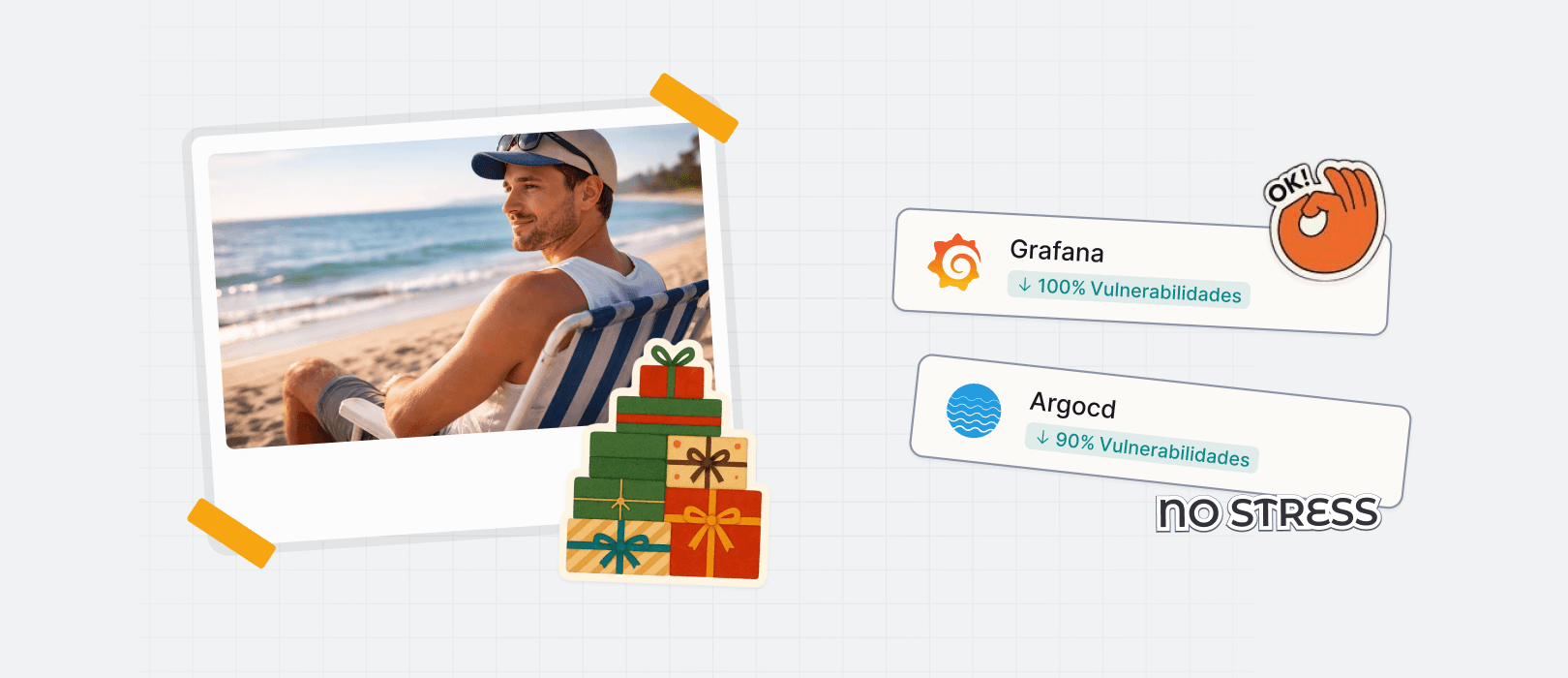
Sophistication that stems from simple foundations
We could have taken the path of piling up features.
We preferred to make another choice: to strengthen a few fundamentals and let them guide future decisions.
In daily life, this meant saying “no” to many things that seemed interesting but were not aligned with this core:
build from source code, with a clear chain of trust, provenance, and integrity;
reduce complexity and CVEs for operators, rather than adding another layer and more exceptions in production;
bring regulatory requirements into the product design, and not sell compliance as a 'new feature’.
The result is a product that seems simple on the surface, and that’s exactly why it supports the underlying engineering complexity.
Building a pioneering product is challenging. The problem that QUOR aims to solve is, by nature, complex and requires heavy investment of time, capital, and multidisciplinary knowledge. Without these well-defined minimum principles, the equation wouldn’t work: it’s impossible to consistently deliver the level of sophistication and value that we place in the hands of clients.
The deeper we go into these fundamentals, the simpler QUOR becomes to explain and operate, and the greater the value it can generate.
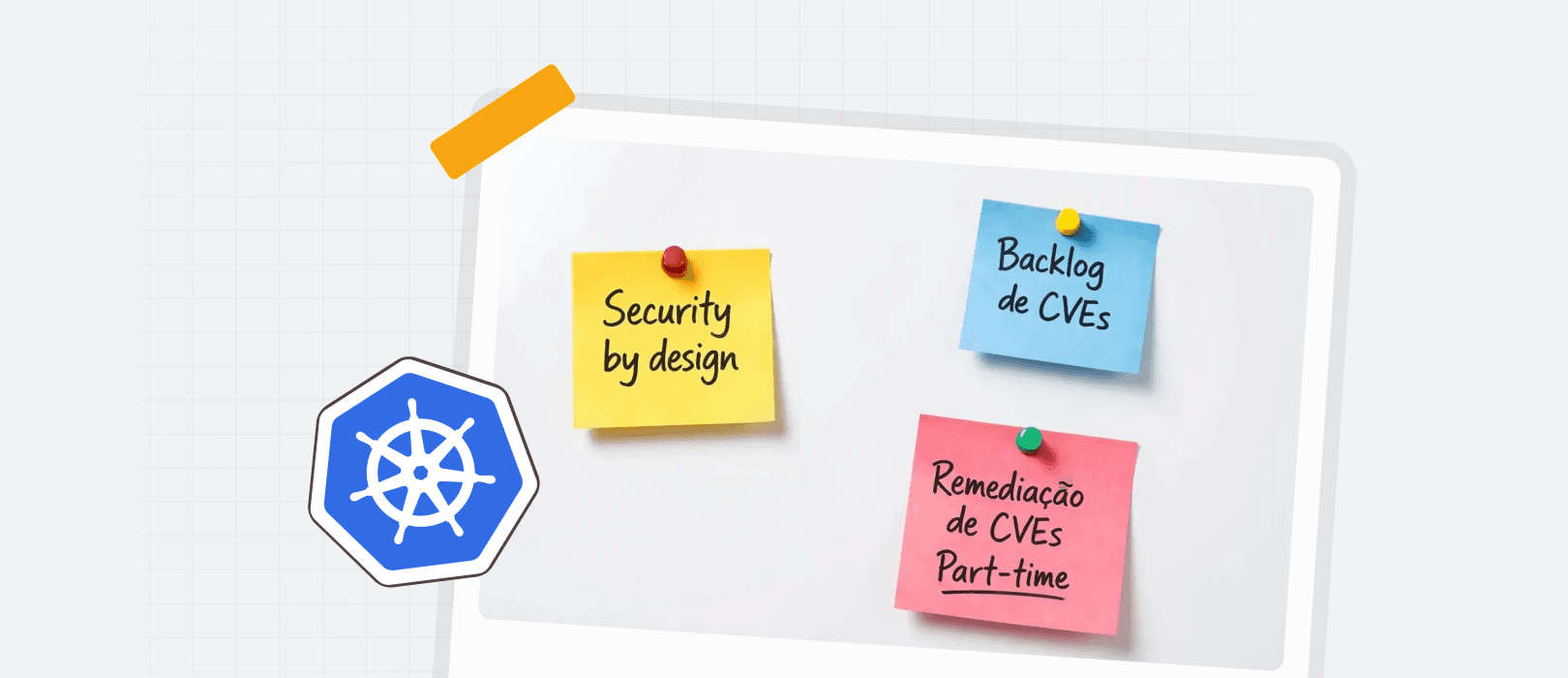
A special view of the “DevOps magic”
In practically every conversation we had with clients, prospects, and people following QUOR, one figure was always present: the DevOps professional who looks at everything at once. Code, infrastructure, product, security, compliance… and is also responsible for the goal of reducing the number of CVEs.
An important part of what we did in 2025 was to deliver something concrete for that “DevOps magic”:
turn security and regulatory requirements into something that the product already delivers, instead of another spreadsheet for DevOps to fill out;
reduce the manual work of detecting vulnerabilities, understanding how they can be exploited, and planning fixes while several other “plates” are already almost falling;
return time and focus to activities related to the product and the evolution of the platform, instead of just correcting CVEs and bailing water.
It’s a direct gift: less concentrated burden on non-scalable operational tasks and more space for the engineering team to sustain and evolve the product securely.

Integrated security, not at the end of the pipeline
One thing that is very clear is that software supply chain security does not work as a loose piece at the end of the process.
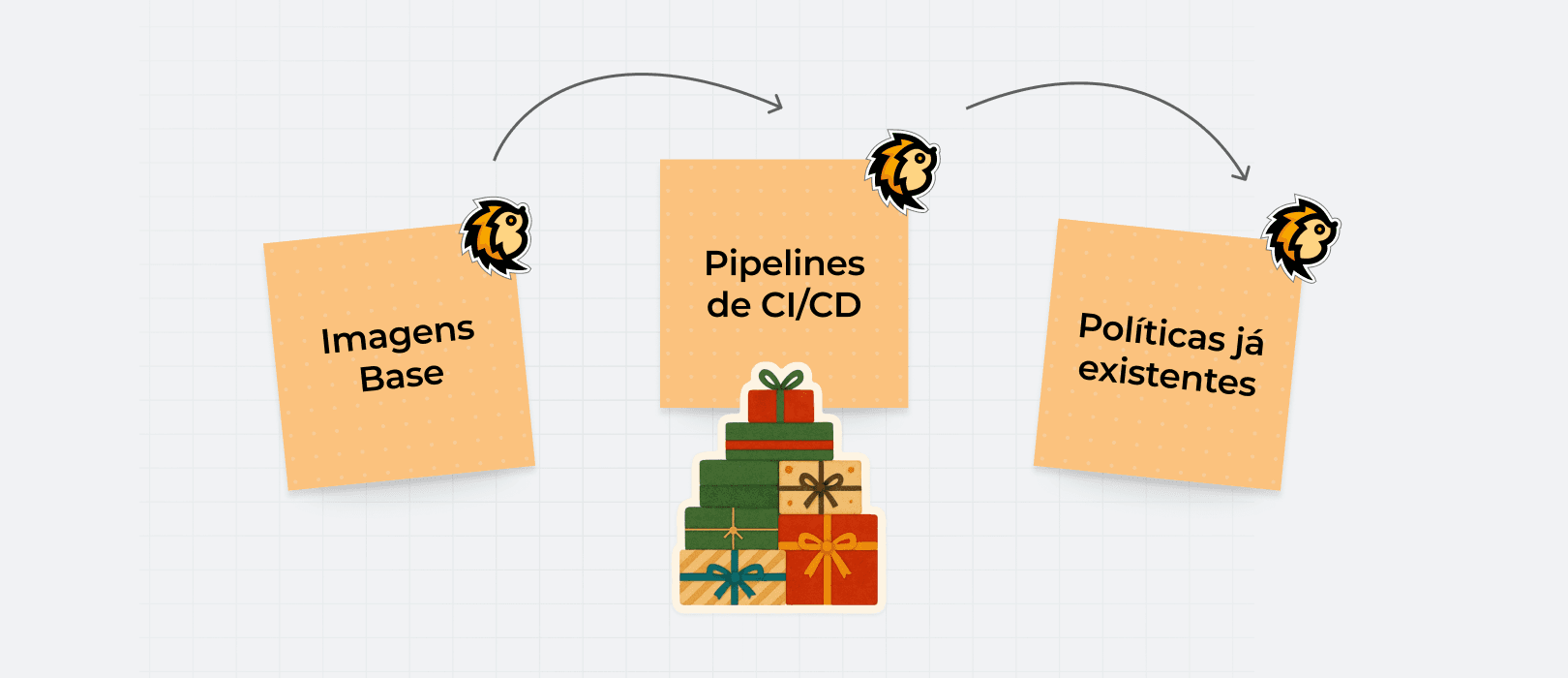
At QUOR, our concern was to integrate security where things really happen:
in the base images that will support workloads in production;
in CI/CD pipelines, before the artifact reaches a critical environment;
in the policies that already exist (Kubernetes, internal controls, regulatory requirements).
Instead of creating a “new place” for the team to look, QUOR complements the points where Dev, DevOps, and DevSecOps are already working. This reduces friction, decreases the number of exceptions, and helps to make security a natural part of the flow, not a handbrake pulled at the last stage.
Education as a foundation, not as an accessory
There is still a strong perception that security “costs a lot” and that the budget goes almost entirely to artificial intelligence and innovation (okay, there’s some truth to that!).
If we want to change this scenario, we need to transform the culture: move from a reactive mode to building a truly preventive stance. That’s where QUOR comes in as an ally of engineering teams, which is why we treat education as part of the foundation of the product, not as an extra.
This means:
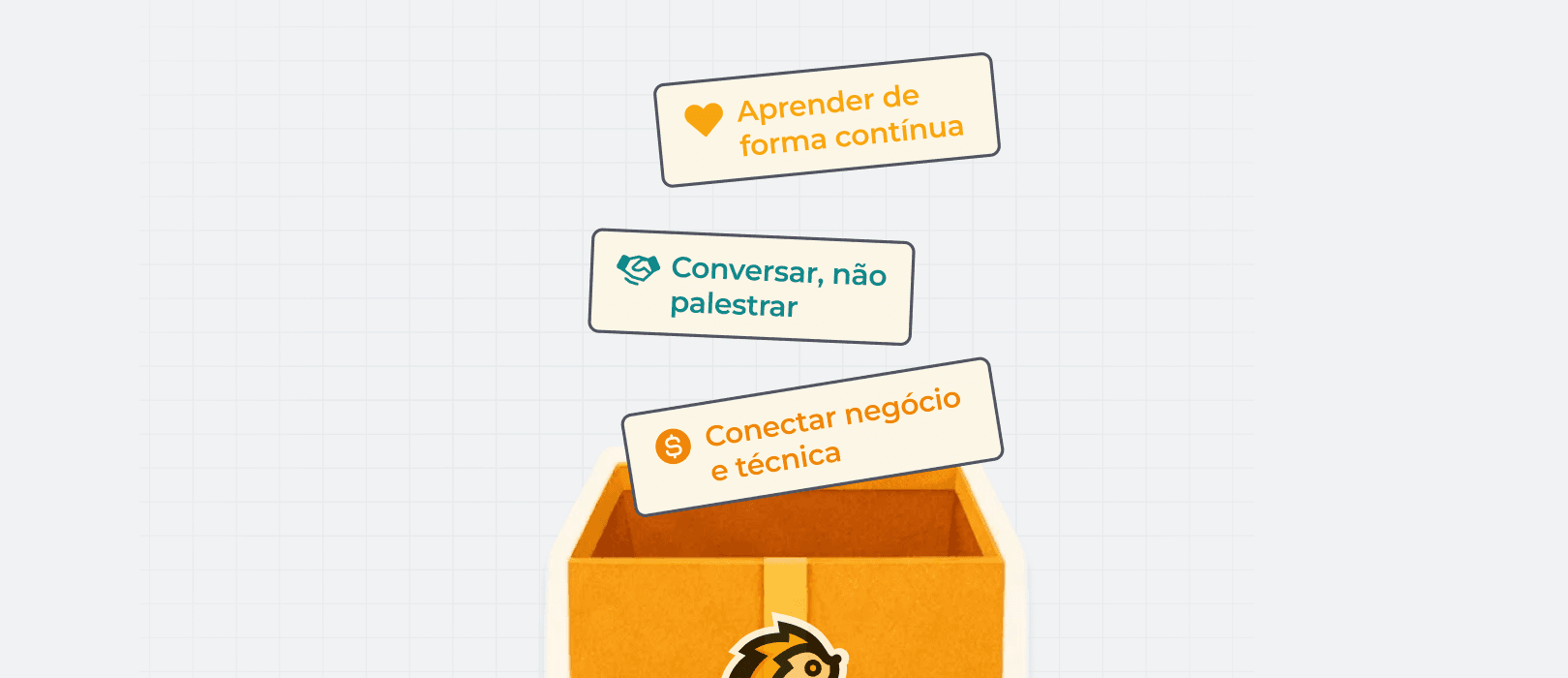
explain, clearly, the impact of vulnerabilities and software supply chain failures;
translate requirements (including from regulated sectors) into a language that makes sense for engineering;
use content, demos, and technical conversations as a space for exchange, not just for presentation.
Every critical CVE, every use case in production, and every conversation with clients, prospects, and people close to the project has become input to learn and teach better.
The goal is that those who use QUOR don’t just see it as a tool, but truly elevate the level of security: being able to change the way they talk about risk and costs within the company and how they prioritize what is best for the business.
And after Christmas?
This is the foundation we have built with QUOR so far. From this base, we want to continue bringing engineering and security closer together and be the partner of these teams: fewer CVEs in production, more visibility into what makes up the software supply chain, and more capability to explain risk and adherence to requirements, taking weight off the teams and putting more structure, clarity, and confidence into how software is run in production, especially in a scenario of new decrees and an increasingly strong national cybersecurity agenda.
Happy holidays and a great 2026.
Team QUOR.
Quor Newsletter
With Quor, security becomes your competitive edge. See how in a personalized demo.